
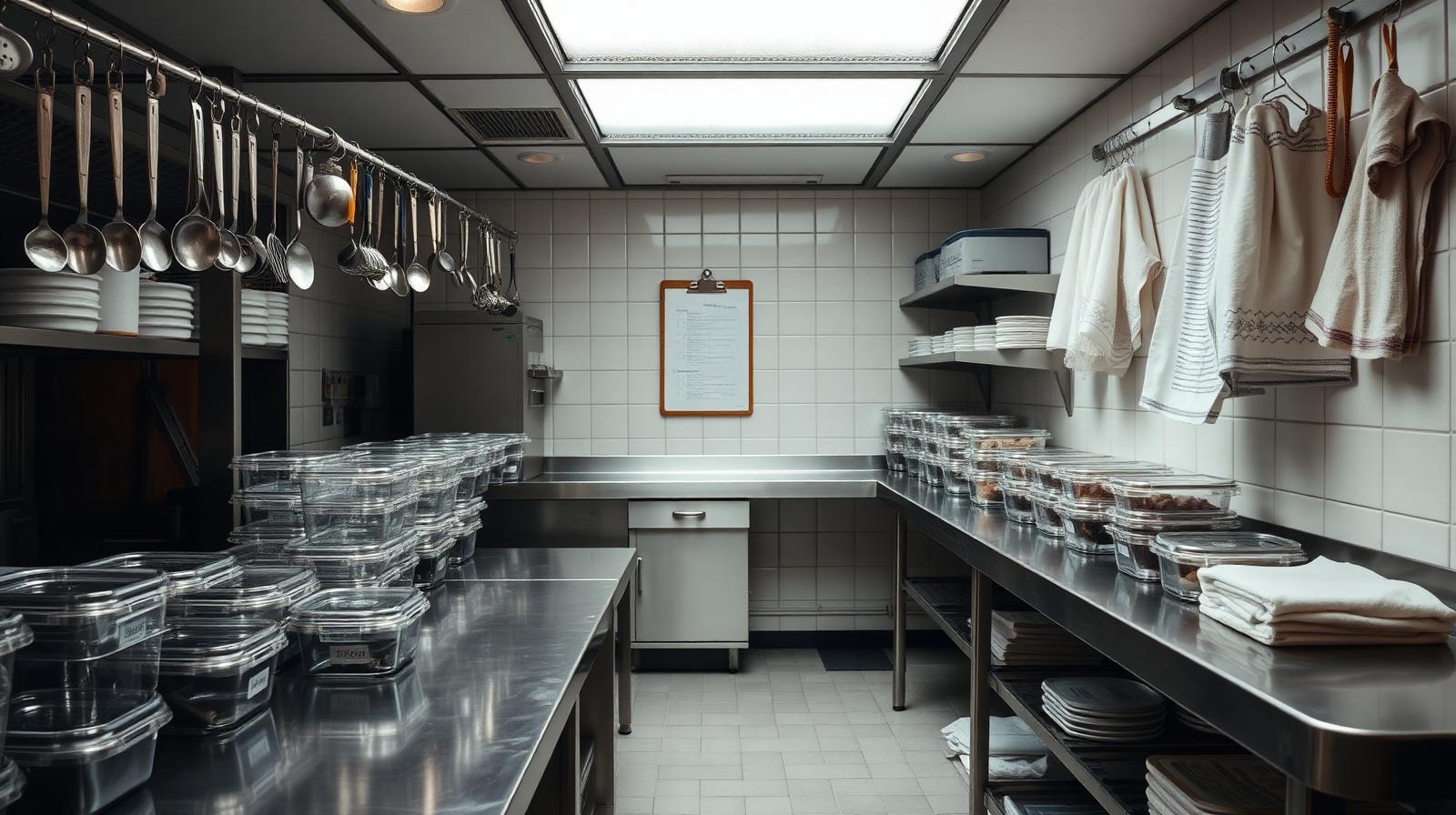
1. Executive Summary: The Multiple Gap in Hospitality
If you own an independent coffee shop, bakery, or tea room, the way you currently run your daily operations will have a massive impact on what your business is ultimately worth. Systemising your café converts it from a highly stressful manual job into a valuable, scalable asset that can practically double its sale price. Small hospitality businesses that rely entirely on the owner's daily physical labour typically sell for around 1.5 times their Seller's Discretionary Earnings (SDE). Alternatively, a highly organised, systemised café will consistently command a valuation multiple of 3.0 times SDE or greater when you eventually decide to sell.
To understand why this happens, it helps to understand how buyers value a business. Seller's Discretionary Earnings is a common term used to describe the true underlying financial benefit of a business to a working owner. It is calculated by taking your net profit and adding back your own salary, your director dividends, and any personal expenses put through the company. When a buyer looks at your business, they apply a multiple to this SDE figure to decide what they are willing to pay. That multiple changes based almost entirely on how risky the buyer thinks the business is.
The stark reality for many UK café owners is that if you are still dialling in the espresso grinder every morning, running the cash-up at night, and texting staff members about their rotas on a Sunday evening, you are not solely running a business. You hold a permanent job within that business. Most ordinary buyers, whether they are families looking for a lifestyle change or existing hospitality operators looking to expand, will not pay a premium price to purchase a strenuous, unyielding job. When someone buys a commercial operation, they are essentially buying future, predictable profit. They view owner dependence as the absolute highest risk to that profit. If the success of the café relies on your personal charisma, your specific memory of how to bake the scones, or your willingness to work sixty hours a week, the buyer will rightly worry about what happens the moment you hand over the keys and walk away.
The key takeaway is that standardising your daily operations entirely removes this perceived risk for the buyer. By documenting your operations using clear written instructions and establishing simple management structures, you remove the requirement for your own physical presence. You reassure the buyer that the café will continue to generate a healthy profit whether you are standing behind the counter or sitting on a beach. This guide explains exactly how to cross the divide from being an exhausted shift worker to becoming the owner of a highly valuable, highly sellable hospitality business.
2. Core Concept: Deconstructing the Systemised Café
The fundamental mechanic of systemisation is removing the founder from daily problem-solving. You achieve this by substituting your personal judgement with comprehensive written instructions that any competent person can follow. Think of a traditional, owner-operated café like sailing a small racing dinghy. The owner has one hand firmly on the tiller and one on the sail; if they suddenly let go to attend to something else, the boat is highly likely to capsize. A systemised business operates entirely differently and is more akin to a modern train. It follows meticulously laid tracks on a highly defined schedule. While it does require a driver to oversee progress, that driver is safely in the cabin monitoring the instruments rather than down in the engine room manually shovelling coal.
Establishing the Standard Operating Procedures Library
To move out of the operational engine room, you must physically document every routine task. A library of Standard Operating Procedures (SOPs) is the absolute lifeblood of a systemised business. This involves creating simple, step-by-step guides for tasks that you currently perform entirely from memory. Consider your opening procedure as a primary example. An undocumented opening results in a junior staff member arriving, potentially forgetting to purge the steam wands on the coffee machine, and frantically trying to count the petty cash float while serving the first customer of the day.
A documented opening procedure clearly dictates the chronological actions required. It might list ten specific steps: deactivating the alarm code, turning on the commercial oven to a specific temperature, conducting the espresso machine backflush, dialling in the grinder to strict dose and yield targets, and completing the daily fridge temperature logs. Closing procedures are equally vital, ensuring that the premises are entirely secured, the tills are correctly balanced in your Electronic Point of Sale (EPOS) system, and food waste is properly recorded. Food preparation manuals complete the set, guaranteeing that your best-selling avocado smash or bacon roll looks and tastes identical regardless of whether your senior chef or a weekend junior is making it.
Training Matrices and EPOS Data
Documented systems require a clear framework to track staff competence. A training matrix is simply a visual grid plotting your staff members against required operational skills. This prevents the common small business bottleneck where only one specific team member is trusted to order the weekly dairy supply or clean the coffee machine. Whenever a skill gap appears on the training matrix, you immediately schedule a training session rather than waiting for a crisis to occur on a busy Saturday service when your main barista calls in sick.
Parallel to staff training, you must establish a strict reporting routine using your EPOS data. A highly organised business relies heavily on data rather than gut instinct. You need daily, weekly, and monthly reporting intervals where your duty managers send you specific financial figures. This includes total gross revenue, average transaction value, labour percentage against sales, and detailed category performance. When you review these figures from a back office or a remote location rather than standing on the shop floor, you transition your mindset. You stop dealing with isolated customer transactions and start actively managing the long-term success of the business.
Structuring Supplier Diversification
The primary rule for protecting your profit margin is that your business must never rely on a single external point of failure. Just as relying heavily on the owner creates massive risk for a buyer, so does relying on a single critical supplier. A sensible guideline is the twenty per cent rule. Ideally, no single vendor or supplier should dictate more than twenty per cent of your operational continuity. For a coffee shop, this means having secondary approved suppliers for milk, bakery items, packaging, and even alternative wholesale coffee roasters in emergencies.
If your sole local sourdough supplier suddenly ceases trading, an unorganised owner enters panic mode and spends two vital days driving frantically around local bakeries to secure stock. A systemised business simply moves down to the approved secondary bakery supplier clearly listed in the operational manual. This deliberate supplier diversification protects your gross profit margins. More importantly, it gives a prospective buyer absolute confidence that sudden supply chain shocks will not decimate their newly acquired investment.
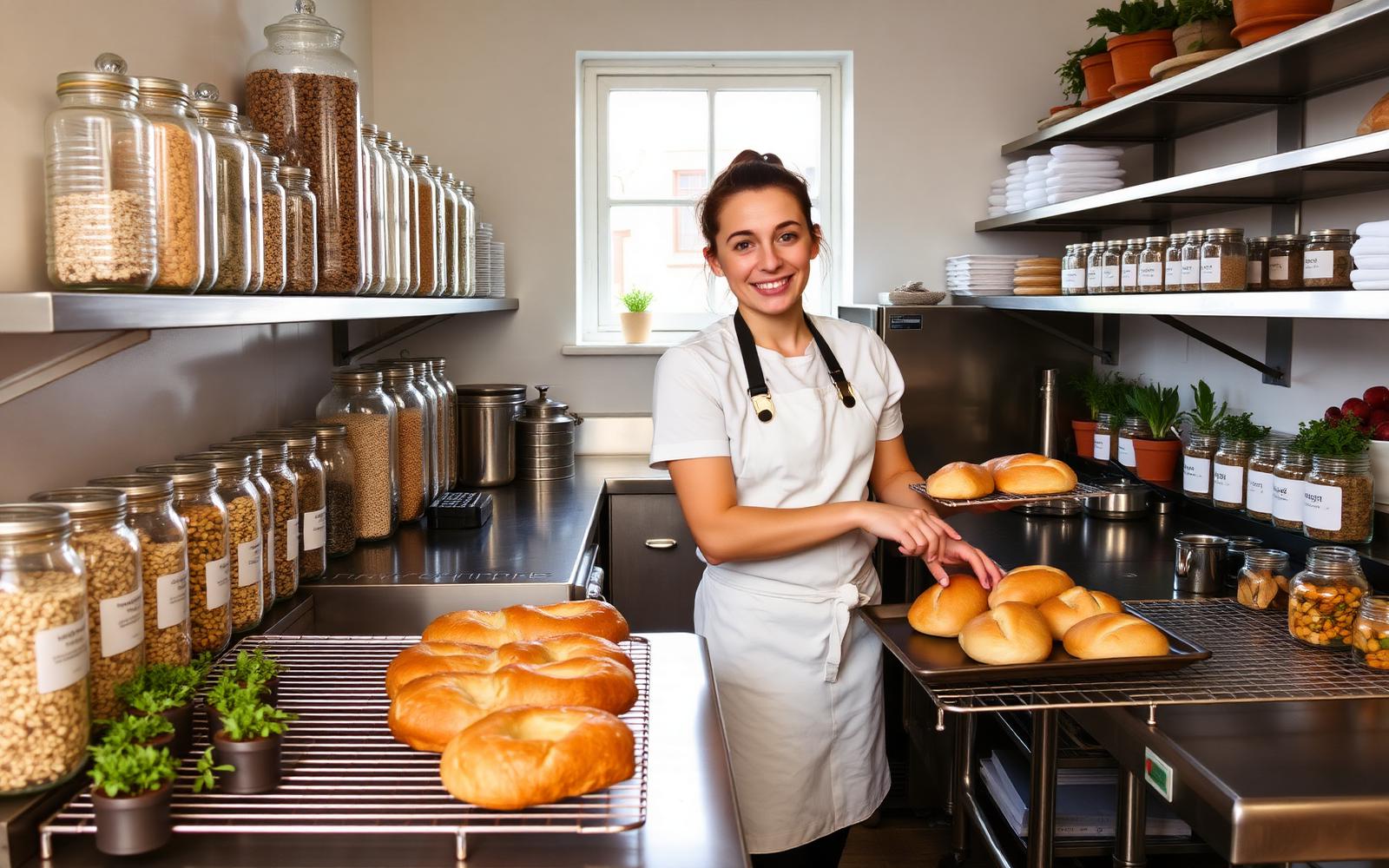
3. Action Blueprint: The Brighton Deli Case Study
Systemising an active hospitality business while still serving customers requires a rigidly phased approach. You cannot change everything overnight. The following blueprint relies on the real experiences of an independent deli café in Brighton. When the founder initially decided to sell her business, the café was entirely dependent on her constant presence. She worked sixty hours a week, handling kitchen prep, staff rotas, and emergency trips to the cash and carry. The initial valuation appraisal stood at a modest 1.8 times an SDE of £70,000, meaning the business was worth roughly £126,000.
Over an intensive fourteen-month period, the founder executed a comprehensive systemisation programme entirely designed to extract herself from daily service. By the end of this strict programme, she had successfully stepped back from all operational shifts. When the business ultimately went to market, it achieved an exceptional valuation multiple of 2.9 times a slightly improved SDE of £82,000. Because she had removed the buyer's risk, her final exit value jumped from approximately £126,000 to over £237,000.
Step One: Documenting the Reality
The implementation began strictly with documentation. For the first four weeks, the owner used the voice notes app on her smartphone to record exactly what she was doing throughout a standard nine-hour shift. Every time a task repeated itself, such as placing the weekly packaging order, dealing with a customer complaint, or reconciling a till discrepancy, she typed out a simple, five-step instruction guide. This unglamorous but essential work formed the very foundation of the business operations manual.
Step Two: Creating a Duty Management Structure
No system functions without accountable supervision. The next phase focused on promoting an internal supervisor to the role of Assistant Manager on a slightly higher salary band. Many owners resist this step due to the perceived immediate hit to their profitability. The Brighton deli owner accepted a temporary dip in her net profit during month three, viewing the salary increase strictly as an investment in her future sale. The duty manager was given explicit responsibility for the staff rotas, daily purchasing, and the execution of the new opening and closing checklists.
Step Three: Digitising Compliance and Audits
Paper-based compliance diaries are famously disorganised in busy kitchens and present glaring red flags to potential buyers during a sale. A missing week in a fridge temperature diary suggests to a buyer that the staff do not care about standards. In month six, the Brighton deli implemented a digital compliance tool. Daily hygiene logs, fridge temperatures, and strict allergen matrices were migrated from greasy paper folders onto an inexpensive tablet app. This ensured the duty manager could not physically close the till system at the end of the day without truthfully completing the environmental health checks.
Step Four: The Ultimate Proof of Concept
After twelve full months of documentation, training routines, and testing the management hierarchy, the owner was entirely ready for the final validation stage. The seven-day owner-absent test is the definitive benchmark for any systemised operation. The founder completely deactivated her access to work emails, silenced the staff messaging group, and took a seven-day holiday where she was only contactable in a strict emergency.
If the team encounters a problem during this test, their only recourse is to consult the operations manual or rely on the duty manager to make a sensible commercial decision in line with their training. The Brighton café successfully completed this test with zero emergencies. Daily EPOS reports showed normal revenue figures, stock was accurately ordered, and customer reviews remained highly positive. The owner finally had a truly sellable asset.
Blueprint Implementation Timeline Summary
The below overview summarises the exact roadmap undertaken to transition the business from an exhausting daily job into a highly attractive proposition for a buyer.
| Phase Timeline | Core Action | Primary Challenge | Measured Outcome |
|---|---|---|---|
| Phase 1 (Months 1-2) | Audit and record daily routines into written drafts. | Finding the time to write procedures during normal busy café service hours. | Creation of the baseline operating manual, cleaning rotas, and recipes. |
| Phase 2 (Months 3-5) | Appoint an Assistant Manager and implement the cross-training matrix. | The owner's hesitation to delegate financial tasks like the evening cash-up. | Staff take full ownership of the daily opening and closing checklists. |
| Phase 3 (Months 6-8) | Fully digitise food hygiene, allergen logs, and health compliance. | Transitioning the kitchen team away from familiar but messy paper diaries. | A spotless, time-stamped digital record of all legal compliance logs. |
| Phase 4 (Months 9-11) | Ensure no single supplier dictates more than 20% of operations. | Sourcing quality secondary local bakers, dairy suppliers, and coffee roasters. | Eliminated supply chain risk and protected the business margin vulnerability. |
| Phase 5 (Months 12-14) | Execute the seven-day owner-absent operational test. | The owner experiencing anxiety over releasing absolute control to the staff. | Absolute proof of a highly organised business ready for a premium valuation. |
4. Valuation Impact: Building a Premium Data Room
The ultimate purpose of this systemisation journey is significantly impacting your exit valuation. Commercial buyers do not simply buy what you have done in the past; they buy the guaranteed probability that your financial success will continue under their future ownership. Bridging the significant gap from a 1.5x multiple to a 3.0x multiple requires proving that your revenues are institutionalised within the brand's systems rather than tied to your personal hard work.
The Transition from Worker to Strategic Director
When you physically remove yourself from the espresso machine or the deli counter, your role inherently changes. You transition from being 'the worker' to being 'the strategic director'. A systemised owner spends their limited weekly hours negotiating improved supplier contracts to increase bottom-line margins, running strategic local marketing campaigns, and actively analysing the EPOS data to spot emerging customer trends. This strategic oversight demonstrates to an incoming buyer that the business has genuine growth potential beyond its current operational capacity. You are handing them a well-oiled machine rather than a collection of stressful individual duties. This transition is exactly what increases the valuation of your cafe in the open market.
Surviving Due Diligence and the Data Room
When you eventually agree to a sale in principle, the buyer and their solicitor will conduct a process called due diligence. This is simply a period where they check that everything you have told them about the business is completely true and accurate. During this phase, serious buyers will request access to a secure digital environment known as a data room. This online folder typically houses your financial accounts, staff rotas, lease agreements, equipment maintenance logs, and tax records.
The majority of small business owners present a chaotic, poorly organised data room. They hand over carrier bags of faded receipts, missing staff contracts, and incomplete hygiene diaries. This immediately diminishes buyer confidence. It suggests that the business is poorly run behind the scenes, and it directly invites the buyer to lower their offer price to account for the hidden risks they suspect they might inherit.
Conversely, a systemised café owner uploads a vastly different suite of documents. Their data room contains the detailed operations manual, the interactive staff training matrix, digitised compliance logs spanning over a year, and fully documented supplier agreements highlighting strong diversification. When a buyer or an investing family reviews a brilliantly structured data room, their perceived operational risk plummets. The due diligence process moves quickly and smoothly, because every question the buyer has is already answered in the documentation. They realise they can hand this business over to a newly appointed manager from day one without missing a single heartbeat of revenue.
By heavily investing the painstaking effort required to document your systems today, you are essentially pre-packaging certainty for your future buyer. This meticulous preparation justifies the premium 3.0x valuation multiple, ensuring you capture maximum capital reward for your years of hard hospitality work. Selling a hospitality business successfully is fundamentally an exercise in risk mitigation; clear, written operating procedures are simply the strongest mitigating tool at your immediate disposal.
Next Steps with BuyMyCafe.co.uk
If you have spent the last few years rigorously building, organising, and growing your UK café, coffee shop, or deli, you deserve a financial exit that accurately reflects your extreme dedication. Do not let poorly presented operations drag down your hard-earned multiple. Preparing your business for a sale takes time, and understanding what buyers are currently looking for is the best place to start.
At BuyMyCafe.co.uk, we specialise strictly in the hospitality sector, connecting diligent owners with serious, thoroughly vetted buyers who actively understand the premium value of a highly systemised business. Whether you are ready to sell now, or you simply want to understand what your business might be worth in the current market, we are here to help. Get in touch with our team for a completely confidential, no-obligation conversation about your specific situation. When you are fully prepared to explore the market, we will ensure your documentation speaks volumes and your ultimate valuation hits its absolute maximum potential.